Kate Woodsome dedicated her career to telling the world what was breaking. She pivoted to focus on repair.
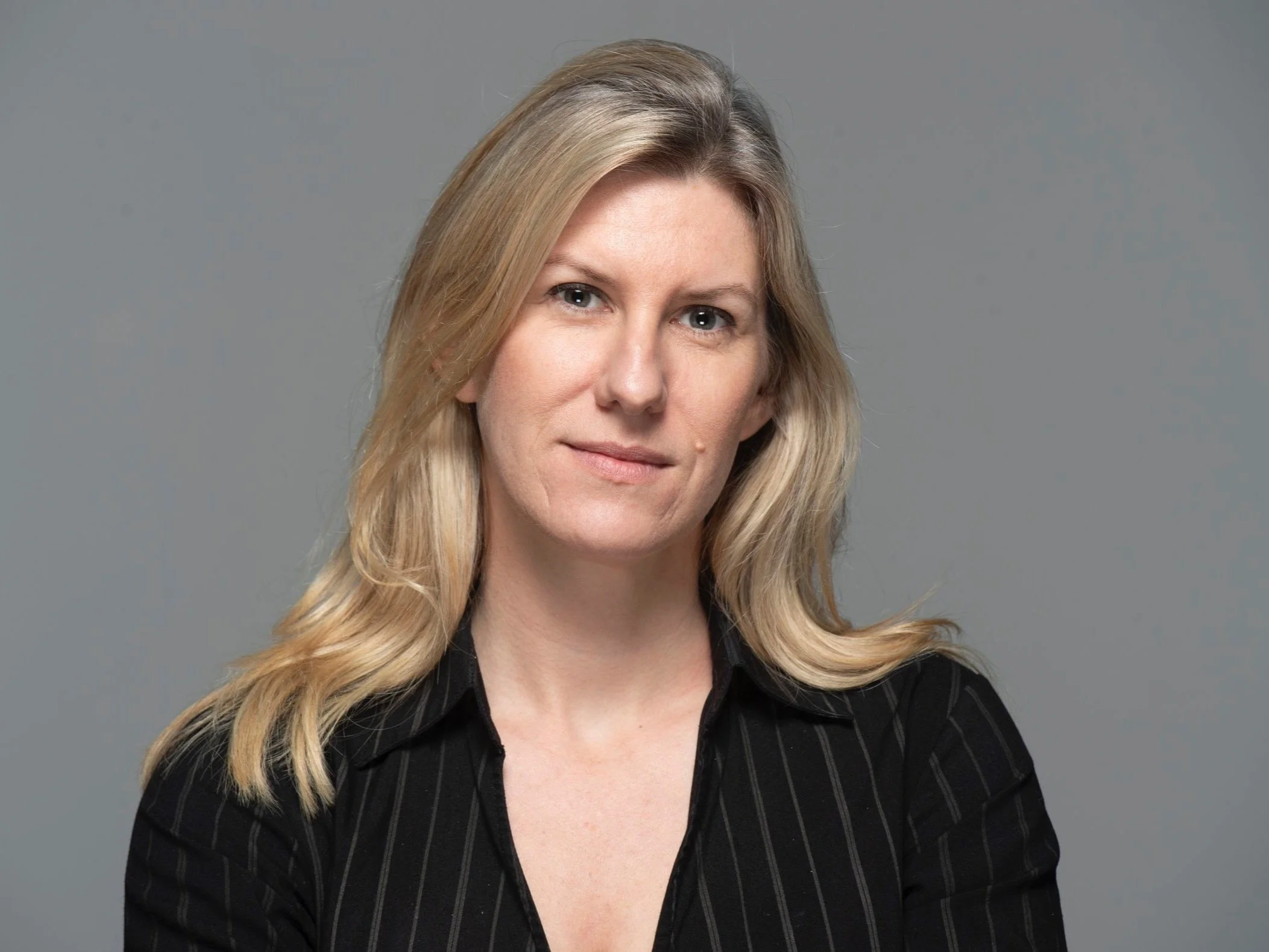
Civic resilience architect Kate Woodsome spent two decades covering social and political unrest around the world as a journalist — from the streets of Havana and Phnom Penh to the frontlines of Hong Kong's pro-democracy movement. In every country, the same pattern repeated: people operating in high-intensity environments without the tools to understand how stress and trauma were shaping their decisions, fracturing their communities, and eroding the institutions they depended on. She thought she was watching something happen elsewhere. Then she came home.
On January 6, 2021, she arrived at the U.S. Capitol in a bulletproof vest, already burnt out from months covering the pandemic, racial justice protests, and the election for The Washington Post. She witnessed men and women tired, angry, and afraid about what was happening in their country and in their lives, swept up in — and perpetuating — generational cycles of harm and reactivity.
They weren't alone. The systems meant to hold Americans together were breaking down, and social cohesion was fraying alongside it. Journalists were covering crises while quietly falling apart. Leaders were barely functioning. Neighbors were isolated from — or turning against — each other. The news feverishly covered the symptoms, but rarely the cause.
Kate had covered enough of the world to know that wasn't just burnout. The roots run deeper. When people operate in survival mode — fight, flight, freeze, appeasement — they can't think clearly, collaborate, or lead well. Without a way to stabilize and reset, these patterns seep into classrooms, newsrooms, boardrooms, and Congress.
The coverage helped The Washington Post win the Pulitzer Prize for Public Service. What it left Kate with was more complex — a reckoning with trauma, burnout, and moral injury that led her to leave traditional media. She began investigating how applying brain science to systems change can lead to improved personal and civic health. Now a certified Resilience Toolkit facilitator and visiting Georgetown University scholar in close collaboration with global trauma and resilience experts, Kate is a co-inventor of the Red House Journey Framework, a humanistic systems change approach to solving complex problems.
These approaches define The Invisible Threads Lab™ — built to address the ties between brain health and democracy that most social and political renewal efforts still overlook.
Kate found a way through. The Lab exists to make sure others don't have to find it alone.
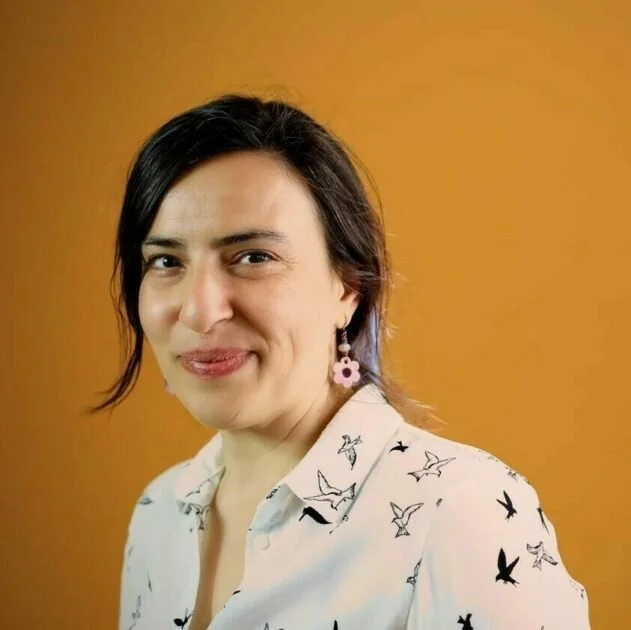
Dr. Mays Imad
Neuroscientist · Connecticut College
Neuroscientist and intergenerational trauma specialist who grounds our curriculum in the science and practice of learning, resilience, and repair.
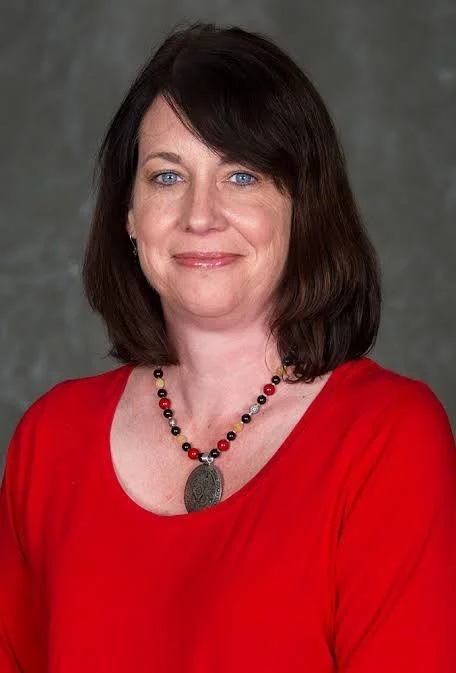
Dr. Jennifer Woolard
Psychologist & Legal Scholar · Georgetown
Expert in individual and family experiences with systems of care and control whose Community Research Group monitors and evaluates our work.
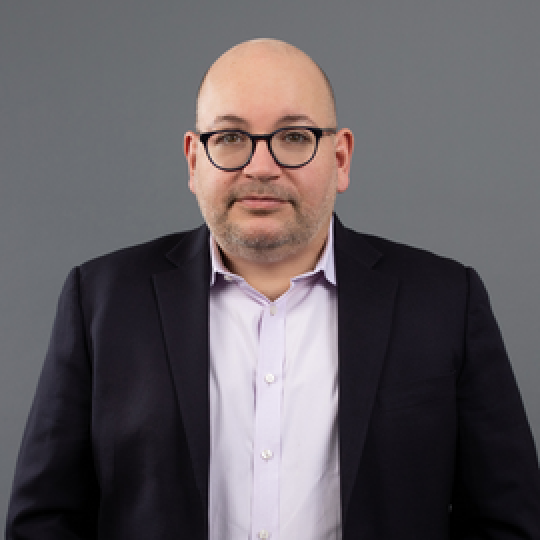
Jason Rezaian
Press Freedom · The Washington Post
Washington Post press freedom director who connects the Lab's work to the journalists most at risk of breaking down on the front lines of democratic life.
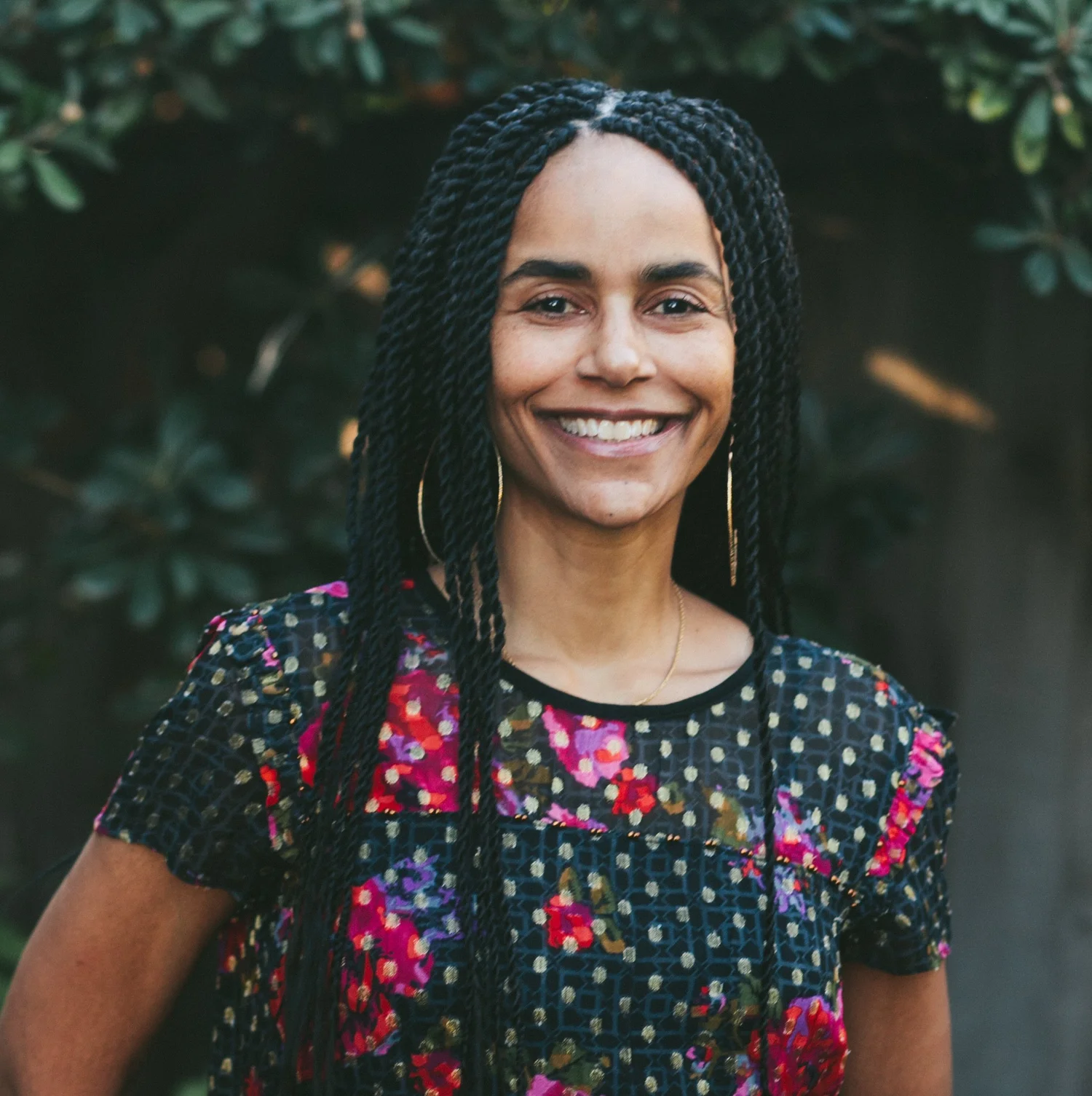
Nkem Ndefo
Founder · Lumos Transforms
Nurse midwife, trauma specialist, and creator of the Resilience Toolkit — an evidence-backed practice the Lab teaches.
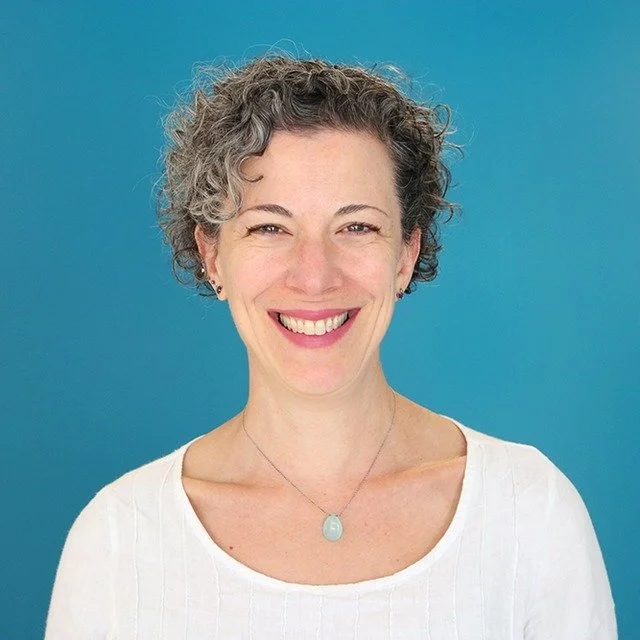
Tara Susman-Peña
Media Development Expert
Media development expert whose work on information ecosystems, media literacy, social cohesion, and trust-building directly shapes how the Lab thinks about Regenerative Information™, civic repair, and democratic resilience.
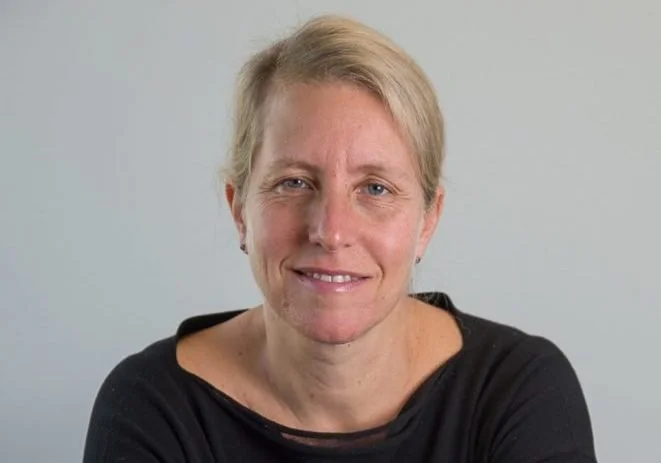
Nina Smith
Founding CEO · GoodWeave International
Skoll Award–winning social entrepreneur who brings two decades of experience turning systemic human rights failures into durable market-based change — the model for how the Lab approaches institutional renewal.
These principles define how we engage with people, information, and civic life. They are the enduring commitments that shape our decisions, behavior, and partnerships as we pursue resilience and shared wellbeing.
Public-Interest Stewardship
We are guided by the long-term public good, cultivating trust, shared understanding, and collective capacity to act with care and integrity.
Context Over Virality
We cultivate a deep understanding of systems, people, and stories before we share narratives that honor their complexity.
Learning Through Compassionate Curiosity
We approach our work with compassionate curiosity, embracing feedback, reflection, and iterative learning to improve how we serve others.
Power-Aware in Practice
We notice and name power in stories, institutions, and relationships, and work to shift dynamics toward dignity and shared agency.
Building the Conditions for Resilient Relationships
We design and engage in practices that support thoughtful presence, mutual respect, and connection, recognizing that conditions like stress and nervous system responses shape how people participate and relate to each other.
Trauma-Informed, Not Trauma-Driven
We approach trauma with care and rigor, recognizing it as information about conditions and experiences, not as material for spectacle.
Communication as an Ethical Practice
We communicate clearly, listen deeply, and make space for diverse perspectives, grounding our work in respect, openness, and intellectual honesty.
Accountability and Integrity
We hold ourselves accountable to these principles, making choices that align with them in practice, learning from mistakes, welcoming feedback, and adapting when evidence and experience call us to do better.
“The Nervous System of Democracy™ is burnt out. Let’s heal it together.” — Kate Woodsome